ClearCorrect 101: Purpose, Procedure, and Length of Treatment 

When you have bite problems, it affects not only your appearance but also your dental health. Correcting these problems is vital, and fortunately, we have several orthodontic treatments that you can use to realign the teeth. One of the treatments you can choose includes the ClearCorrect® braces.

These are clear aligners that can help realign the teeth without changing your lifestyle. But before you visit a ClearCorrect dentist near you, it is important to know what the braces are and how they work.

What are ClearCorrect Braces?

ClearCorrect aligners are made of plastic containing resin which makes them invisible, thin, and comfort able onyour gums. Although they are made of plastic, these braces do not contain BPA, meaning they are safe to wear.

The aligners come in different versions; you can choose from limited 6 to unlimited. Limited 6 and 12 are designed for minor to moderate dental malocclusion while the unlimited version is ideal if you have severe bite problems.

How Do They Compare with Invisalign?

ClearCorrect and Invisalign® braces are both clear aligners and they work similarly. However, the two differ when it comes to thickness. The ClearCorrect aligners are thinner than the Invisalign.

When Are They Recommended?

ClearCorrect aligners are recommended for adults and teenagers because they require high standards of hygiene. Furthermore, the dentist can recommend invisible aligners if you have moderate bite problems. Severe malocclusion will require other forms of treatment like the traditional braces.

How is the Procedure Done?

ClearCorrect treatment is done in phases and it can last for a couple of months.

  • Examination and planning

Dr. William Uthoff will begin the process by doing a comprehensive dental assessment. He will use a 3D scan that takes precise images of your jaw to create the aligners. The scan is also used to determine the pressure and time needed to correct the bite problems. You will also get a preview of what to expect after the treatment is done.

  • Treatment process

The dentist will give you a series of aligners (depending on the choice) that you are supposed to wear for two weeks before changing. You also need to wear the braces for 22 hours daily and remove them when you are eating or drinking.

While the treatment is done at home, you will be required to visit your dentist every six to eight weeks to have the gums and the treatment assessed.

  • Retention phase

Retainers help to preserve the results of the orthodontic treatment by holding the teeth in position. Failing to use the retainers according to the given instructions will cause the teeth to revert to their old position. Remember, the orthodontic treatment breaks the ligaments which can affect the stability of the teeth, hence the need for retainers.

What Can You Expect When You Wear the Aligners?

Braces are not painful, but when you wear them for the first time, you will experience some discomfort. You will also have pressure on the teeth every time you wear the aligners as the teeth move into position. The discomfort does not last for long, and you will not need any pain relievers.

Are There Any Dental Instructions?

Yes. Although ClearCorrect braces are removable and do not restrict your lifestyle, you will need proper habits and hygiene practices.

  • Wear the aligners for the stipulated time (22 hours every day). This is because stopping the treatment will disrupt the alignment process, and it will take longer to restart the treatment.
  • Clean the aligners every day when brushing and before wearing them. Avoid using toothpaste when brushing the braces. Also, do not use hot water on the aligners because it may change the shape.
  • Make sure you brush your teeth and gums and rinse the mouth when putting on the aligners.
  • Keep the aligners moist when you are not wearing them to prevent them from drying. Dry aligners can lead to the build-up of food particles and bacteria growth.
  • Visit the dentist regularly (every eight weeks) to have the process assessed.

Schedule an Appointment

Visit My STL Dentist for more information about ClearCorrect braces and how they work.

Oral Cancer Screenings for Healthy People: Are They Necessary?

Whether you are in optimal physical health or not, regular dental exams are essential because they help more than just your smile. In addition, they are an excellent opportunity for the dentist to check for signs of oral cancer.

The ADA recommends everyone schedule an appointment with their dentist at least once in 12 months to ensure their mouths are healthy. However, many medical professionals disagree on how often people should get oral cancer screenings. Some believe that if you are at a higher risk of getting oral cancer, it is an excellent idea to get examined for the condition.

Some factors making you vulnerable to getting oral cancer include:

  • Tobacco use, including smoking, chewing tobacco, or using snuff.
  • Excessive consumption of alcohol regularly.
  • An earlier diagnosis of oral cancer.
  • Excessive exposure to sunlight making you vulnerable to getting lip cancer.
  • Some types of HPV which you can develop during oral intercourse.
  • Chewing a smokeless tobacco mixture called betel quid.

If you are frequently indulging in any of the above, you can inquire with the dentist in sunset hills mo, whether you need a screening test.

Why Fear Oral Cancer Screenings?

If you are frequently visiting the general dentist in Sunset Hills, MO, you will likely receive an oral cancer screening during the exam for dental examinations and cleanings. You probably don’t even realize your dentist is looking for signs of oral cancer unless they provide specific information about the test.

Oral cancer screenings in Sunset Hill, MO, do not impose upon you any additional charges and perform the test as a preventive measure to ensure you are not affected by any concerning conditions. Therefore you must view oral cancer screenings as a beneficial measure confirming your mouth is entirely healthy. In reality, you must thank the dentist for performing the exam as it leaves you with peace of mind knowing you are free from oral cancer.

What Kind of Exams Are Performed by Dentists?

Oral cancer screenings near you perform a basic exam by taking a comprehensive view at all parts of your mouth. During the examination, the dentist will:

  • First, look at your lips from outside and inside.
  • Examine the insides of your cheeks, the roof of your mouth, and the back of your throat.
  • Your gums are also examined besides your tongue from all sides and beneath.

If you are a denture wearer, you must take them out to allow the dentist to check the tissue beneath. For example, dentists may insert a finger in your mouth and under your tongue besides a couple of fingers on the skin under your chin, moving them around to feel the tissue between them. Your dentist might also examine underneath your jaw.

The entire exam requires merely five minutes, confirming it is just a preventive measure.

Dentists aim to look for spots or lumps and try to verify whether anything is unusual about the saliva covering the pink parts of your mouth. If you observe any unusual bumps or sites, it helps if you call your dentist for an examination.

An in-depth examination for your oral cancer screening will have the dentist rinse your mouth with a blue dye before the exam. Any abnormal cells in your mouth absorb the pigment making it easier for the dentist to identify them.

What If the Dentist Detects Signs of Cancer?

If the dentist detects any unusual signs, they advise you to schedule an appointment in a few weeks to verify whether anything has changed. Dentists may also suggest a biopsy when a small piece of tissue is taken from the area that looks suspicious and have it examined in a lab to check for cancer. The dentist performs the biopsy, or you receive a referral to a surgeon who performs these procedures.

Bear in mind that not all lumps or spots your dentist detects are cancer. However, if oral cancer is present in your mouth, catching the condition early ensures you have many treatment options. Therefore it makes sense to maintain your regular appointments with the dentist to enable them to look for signs of problems in your mouth.

Even if you are in the pink of health, you visit dentists for exams and cleanings. At the same time, the dentist performs oral cancer screening in merely five minutes without you even realizing what is happening. If you don’t consider oral cancer screenings necessary, it is time you changed your thinking to go through the procedure without concerns happily.

Why You Should Get A Dental Bridge

Dental bridges are a suitable cosmetic or restorative dentistry procedure for many patients with missing teeth.

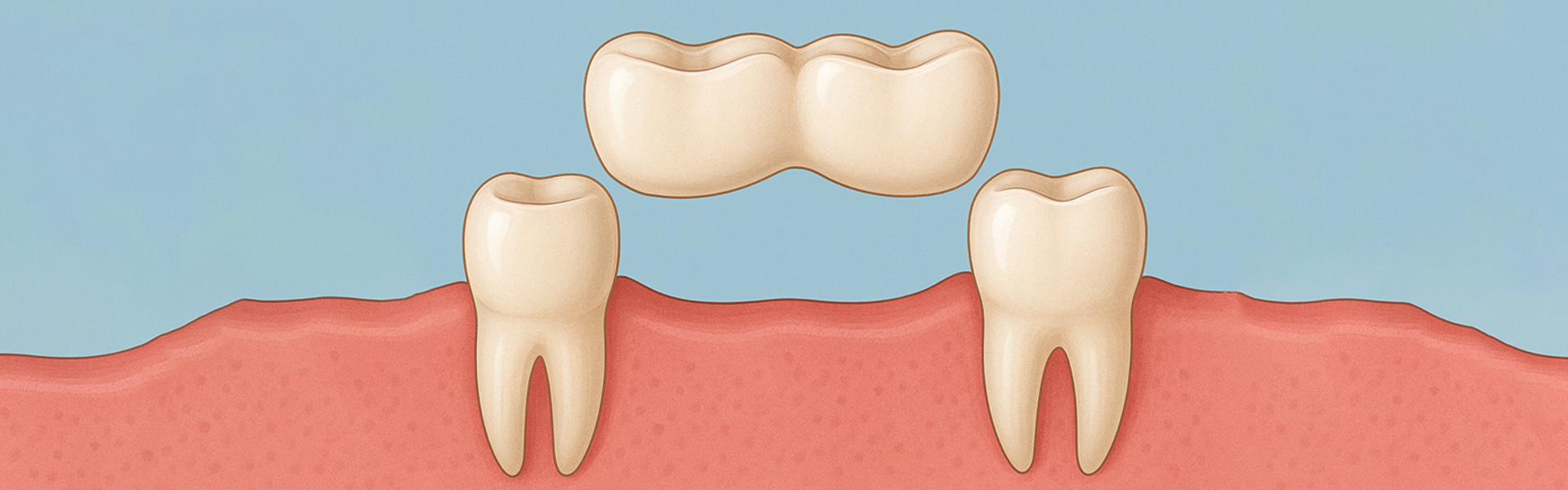
A dental bridge is a permanent appliance used to replace either a missing tooth or a set of missing teeth. They are an alternative to partial dentures serving both practical and aesthetic purposes, enabling better eating and speaking experiences.

What Do I Need A Dental Bridge?

Your teeth work together. If a tooth is missing, nearby teeth can move into space. The teeth in your opposite jaw can also move up or down toward space. This can cause:

  • Bite problems.
  • Chewing difficulties.
  • Pain from the extra stress on your teeth and jaw.
  • Self-consciousness about the way you look or your smile.

What Options Of Dental Bridges Do I Have?

There are four main types of bridges and they are:

Traditional fixed bridge: This is the most common dental bridge used. It is composed of two or more crowns and a filler tooth or teeth that are all connected. The crowns keep the bridge in place. Traditional bridges are made of metal, porcelain fused to metal or ceramics.

Cantilever bridge: In this type, the pontic connects to only one abutment tooth. This can sometimes be an option for people who have teeth on only one side of the gap.

Maryland dental bridge (resin-bonded bridge): This type of bridge is used for those who have missing front teeth. It’s composed of porcelain fused to metal or ceramic teeth, supported by a framework. Wings on each side of the bridge bond to your existing teeth.

Implant-supported bridge: This is similar to the traditional fixed bridge but instead of being cemented in place to teeth, it is held in place by implants.

Advantages Of Dental Bridges.

A dental bridge can:

  • Help your bite.
  • Prevent remaining teeth from moving out of place.
  • Restore your ability to chew and speak.
  • Restore your smile.

Disadvantages Of Dental Bridges

There are also several drawbacks linked to the use of dental bridges in restorative dentistry.

Firstly, the healthy abutment teeth on either side of the gap that hold the pontic in place may become damaged in some cases, after the bridge is fitted. Additionally, the structure of the teeth may change following the placement of the crowns and bridge. For some patients, the supporting abutment teeth have insufficient strength to hold the bridge and consequently collapse.

How Is The Process Of Getting A Dental Bridge Like?

For seasoned Dentists in Sunset Hills Mo, the procedure is in two phases or visits.

During the first visit for getting a dental bridge, the abutment teeth are prepared and this involves the recontouring of these teeth by the removal of a portion of enamel to allow room for a crown to be placed over them. Next, impressions of the teeth are made, which serve as a model from which the bridge, pontic, and crowns will be made by a dental lab. The dentist will then make a temporary bridge to wear to protect the exposed teeth and gums while the bridge is being made.

During the second visit, the temporary bridge will be removed and the new porcelain or metal bridge will be checked and adjusted, as necessary, to achieve a proper fit. However, multiple visits may be required to check the fit of the metal framework and bite and are dependent on each individual’s case. After a couple of weeks, the bridge is cemented into place.

Contact us at Sunset Hills Mo to schedule an appointment to get dental bridges in Sunset Hills Mo which would benefit your oral health greatly.

Do Dental Bridges Have Any Risks Or Complications?

If you care for your bridge properly, it can last many years without complications. The bridge may fail if the surrounding teeth decay or if the cement deteriorates. If the bridge comes loose and the supporting teeth are still healthy and intact, your provider may be able to re-attach it with new cement.

If you need to get a safe and reliable Dental bridge in Sunset Hills Mo, you can book a session with a Cosmetic Dentist in Sunset Hills Mo, for both professional and risk-free dental bridge near you.

DENTAL IMPLANT FOR PERMANENT TEETH RESTORATION

Dental implants are pretty much the best way to restore missing teeth without having to ever worry about them again. In this article, we will discuss the benefits and procedures for dental implants.

Dental implants near you are substitute teeth roots in the form of metal screws that help provide foundational support for removable artificial teeth.

Dental implants are very durable and, in most cases, are a once-in-a-lifetime solution. They are made from titanium metals and, when fixed, blend with the jaw bone.

Dental implants are a reliable alternative that can be used in dentures or bridgework and can be a much better perfect fit. They are recommended for patients who have one or more missing teeth and still have healthy tissue. The implants are done surgically by cutting out the damaged tooth, cutting into the gums, and drilling into the jawbone before placing the titanium metal-like screw.

BENEFITS OF DENTAL IMPLANTS.

Dental implants allow improved speech without teeth slipping out of position.

Dental implants blend with bone which makes them permanent and gives patients a feeling of their teeth. They are very comfortable as they are part of the patient’s mouth.

A dental implant allows patients to eat their favorite food without fear of negative effects or pain. It also boosts self-esteem and enhances the patient’s smile.

Implants do not change or modify teeth close to them. The nearby teeth are not affected by the screws and remain unaltered, allowing easy access and improving oral health.

Dental implants save patients the embarrassment of removing and placing back dentures into the mouth for convenience.

WHO NEED A DENTAL IMPLANT?

Most patients who may have one, several, or all missing teeth can have dental implants when seeking a more durable option than dentures. Also, Patients who do not engage in addictive habits like tobacco and smoking and have healthy oral tissues can have dental implants.

Dental implants take time, lasting into months, so patients who are willing to wait for the entire process can have dental implants.

Dental implants are recommended for patients that suffer from low confidence as the procedure can help improve their smile. Patients who are willing to have a bone graft can also have dental implants.

PREPARATION FOR DENTAL PROCEDURE.

DENTAL EXAMINATION.

There are some factors to be considered before going ahead with a dental implant. The first condition for dental implants is the eligibility of patients. Dental implants are typically recommended for patients who have lost a considerable number of teeth. Only patients who have healthy gum tissues and a mature, strong Jawbone can get implants.

Before starting the procedure, patients will have to tell the dentist if they are currently under any medication or supplements. If patients have any heart problems or related complications, they should also make it known to the surgeon.

Patients should also note that much time is required for a complete implant, and the process could take several months from beginning to completion. Time is also required for healing to take place and for the bone to blend with the implant.

When all of this is done, 3D images and x-rays would be required to evaluate the mouth properly. A couple of models would also be made from the jaw and teeth.

PROCEDURE

This surgery is performed in multiple stages with a required healing time after each stage. General anaesthesia will have to be administered before the surgery to numb the area and make it easier for the surgeon to remove the damaged tooth. Grafting might also be needed to prepare the jawbone.

After removing the damaged tooth, the surgeon will drill into the jawbone to place it in the implant. Some time is required for the healing and growth of the bone, and a couple of visits is required. After healing, an abutment will be fixed before permanently placing the new teeth.

Before going for a Dental implant, you should first visit your dentist for advice and recommendations. If you do not have a personal dentist, you can search for a Dental implant near me to get a local listing of dental clinics near you and book an appointment with a dentist.

However, suppose you want a reputable dentist with experience in fluoride treatment. In that case, you can book an appointment with a dentist in Sunset Hills MO, by searching dentist implant in Sunset Hills, MO, or a cosmetic dentist in Sunset Hills, MO.

Veneers and Porcelain Crowns: Which Is Best for Your Needs and What Is the Difference?

Veneers and porcelain crowns are both methods of restorative dentistry to improve the appearance and functionality of your teeth. The most significant difference is that veneers only cover the front surfaces of your teeth, while porcelain crowns cover your entire tooth. Dental restoration procedures are not affordable. It is why you must know which one is best for you.

The procedures for having these restorations are different, but both have successful outcomes. Let us look at the differences between veneers and porcelain crowns, along with the benefits and downsides of both.

What Are the Differences between Veneers and Porcelain Crowns?

Veneers are thin layers of porcelain with a thickness of approximately 1 millimetre bonded to the front surfaces of your existing tooth. Crowns are also fabricated from porcelain but have a thickness of about 2 mm and cover the entire tooth. You can have an all-porcelain crown or even porcelain fused to metal.

Whether your needs are satisfied by a crown or a veneer depends on the condition of your teeth and the problem you are trying to fix. Some common reasons for these restorations are discoloured teeth, decayed or weakened teeth, crooked teeth, chipped, cracked, or broken teeth. Veneers and crowns are both colour-matched to your existing teeth.

What are veneers?

Veneers are surfaces suitable for covering the front surface of your tooth. The procedure for having them is not as invasive as dental crowns because the preparatory process leaves more of your teeth intact.

The dentist in Sunset Hills, MO, removes half a millimetre of enamel from the front of the tooth to roughen the surface before veneer placement. Some varieties of veneers don’t need significant preparation, but if you are having porcelain veneers, you need local anaesthesia because the grinding of your tooth is painful.

The dentist makes impressions of your prepared teeth by digitally scanning them and sending them to a dental lab to customise your placement. You receive a temporary veneer on your tooth for protection until the new arrangement is ready.

You must return to the dentist for a second visit when the dental lab produces the veneer to have the temporary removed and the permanent placement bonded to your tooth. After the surface is attached to your tooth and hardened with ultraviolet light, you experience a minimal movement of the tooth. However, you may need to wear a night guard to protect the veneer if you are affected by bruxism.

What Is a Porcelain Crown?

Porcelain crowns cover the entire tooth, and your existing tooth needs filing down to prepare it for crown placement. The cosmetic dentist in Sunset Hills, MO, removes any decay in your tooth before having the crown fabricated. The crown placement procedure is painful and requires local anaesthesia during the preparation.

Like dental veneers, the dentist takes impressions of your tooth digitally for the dental laboratory to fabricate the crown. You receive a temporary crown to protect your prepared tooth.

When the permanent crown is ready, the dentist removes the temporary and bonds the permanent crown to your tooth. Your crowned tooth may have some movement to change your bite. You may need adjustments to the crown if this occurs.

How to Determine What’s Best for Your Needs?

If your tooth has a large filling, is worn or cracked, or has undergone root canal treatment, a crown is the best option for you.

If your tooth is intact and the restoration is for cosmetic reasons, your needs are better served by veneers.

What Are Their Costs?

Veneers and Porcelain Crowns in Sunset Hills, MO, are both expensive restorations. However, individual prices can vary depending on your tooth’s size, location, and average costs in your geographic area.

Dental insurers don’t cover cosmetic dentistry is or may have a maximum annual limit for coverage.

Veneer prices can range between $ 925-$2500 per tooth, and the figure doesn’t include other procedures that you may need. The costs for crowns vary between $ 1000-$ 3500. Porcelain crowns are more expensive than different varieties.

You can inquire about the prices of veneers and porcelain crowns with the sunset Hills dentist. They may offer you payment plans if you are on a budget to space out your payments and have the restorations on your teeth immediately.

What Does Periodontal Treatment Entail?

Standard procedures involved in periodontal treatment entails scaling and root planing. Scaling entails removing plaque and tartar deposits visible above and below the gum line on the tooth’s root. Dentists use ultrasonic cleaning devices or hand instruments to accomplish the position of scaling.

Root planing is a time-consuming procedure requiring scraping and smoothing the root surfaces of your teeth. Root planing allows your gum tissues to attach firmly to clean and smooth roots. Patients with advanced periodontal disease are advised to quit smoking because it increases the risk of contracting periodontal disease, destroying the tissues in the mouth more rapidly.

In reality, periodontal treatment near you is attention provided by your dental professional to ensure you have healthy gums. The treatment is customised specifically for the severity of your condition.

What Is Periodontal Disease?

Periodontal disease entails the destruction of the bone and gum supporting the teeth. This condition occurs cyclically with bouts of destruction and periods of inactivity.

The general dentist, sunset Hills, MO, aims to remove irritants associated with the disease’s active destruction phase. They also try to maintain your gum tissues to avoid further destruction. You are advised on methods to keep your gums as healthy as possible.

Periodontal treatment succeeds as a combined effort with you as a patient making all efforts to remove daily plaque buildup on your teeth and gum surfaces. If you want to prevent and help heal your inflamed gums, it is incredibly essential for you to inhibit plaque buildup.

The kind of periodontal treatment you require will vary depending on the severity of your gum problem. Various aspects of the treatment and the time needed to complete it successfully are explained by the dentist in Sunset Hills, MO, when you approach them with your condition of advanced periodontitis.

What Is Involved in Periodontal Treatment?

The plan for periodontal treatment considers developing an ordered sequence of dental processes are undertaken by periodontal treatment in Sunset Hills, MO. The program is designed to restore your teeth and gums to their original health.

Oral hygiene inspections and removal of plaque and tartar buildup are usually involved in periodontal treatment. The periodontist may also review your medical conditions, filling replacements, with advice to quit smoking.

The Sunset Hills dentist removes plaque and tartar accumulated in your mouth over a period. The primary reason for the onset of gingivitis or periodontitis is plaque, a sticky and colourless film of bacteria building up on the teeth continuously. Tartar is a hardened plaque allowed to remain on the teeth because it is challenging to remove by brushing and flossing.

When Do You Require Periodontal Treatment?

Periodontal treatment becomes essential when you ignore six-monthly dental visits and allow plaque buildup to harden into tartar. While plaque is comfortably removable by brushing twice a day, tartar is an entirely different issue. When you let the hardening of plaque into tartar, you need help from a dentist for the removal and must undergo the procedure of scaling and root planing. It is why dentists suggest not to ignore six-monthly dental visits to ensure you don’t contact periodontal disease, an incurable condition that requires continuous maintenance.

When ignoring six-monthly dental visits, you may never have assumed that periodontal disease will make it essential for you to visit the Sunset Hills dentist more frequently to maintain this condition. You have to visit the dentist every three months for periodontal maintenance for an unlimited period until the dentist confirms your gums are in a better position.

Is There a Need for More Intensive Treatments for Periodontal Disease?

If your periodontal disease is advanced or severe, the dentist may recommend periodontal surgery providing information on how you will benefit from the procedure. Usually, conservative treatments are sufficient if your periodontal disease hasn’t advanced and detected in the early stages.

If you are recommended surgery for periodontal disease, you must prepare yourself physically and financially for the procedure. You even require sufficient time to recover depending on the type of procedure the dentist performs on you. Periodontal surgery costs can vary between $ 500-$ 10,000 depending on the severity of your condition. If you don’t have dental insurance, you can consider setting up a payment plan with your dentist because prolonging the treatment only exposes you to more complicated and expensive treatments in the future.

Maintaining healthy gums is essential for your overall well-being. Undergoing periodontal treatment, either conservative or advanced, can lower your chances of tooth loss and additional gum damage. The treatment can also keep you away from other health problems requiring expensive treatments.

Family Dentistry FAQs

Scheduling time for your dental care is important, but oftentimes, it tends to get the back seat. Now, trying to have every member of your family visiting a different dentist for assessment is even more challenging. That is why family dentistry comes in so handy. Family dentists can offer the convenience that you want. In this post, we answer some of the common questions of family dentistry.

What is Family Dentistry?

Family dentists are practitioners who handle dental problems of patients of all ages, from kids to seniors. They offer different treatments that are geared to support your teeth and maintain your dental health.

Although they are often confused as general dentists, not all general dentists are family dentists. Most family dentists have a training of the various dental needs of people in different age groups. They also have experience in children’s dentistry, though not as specialized as the pediatric ones.

What are the Benefits of Having a Family Dentist?

A family dentist offers great benefits such as:

    1. Convenience

For most people, time is usually the challenge of visiting the dentist for an assessment. However, with a family dentist, you can schedule an appointment for all your family members. Furthermore, you can choose to visit the clinic on Saturdays if you have a busy schedule. Family dentists offer convenience and also saves you time.

    1. Builds Trust

Having one dentist for your family creates trust and confidence. Plus, you will have all your dental history records in one place for easy access. This makes it easy for the dentist to consult with other dental specialists if need be.

    1. Creates a strong foundation for your children

Visiting the dentist with your children helps them understand the importance of having dental checkups. This will lay a strong foundation for the future and also help them pay attention to their dental health.

    1. Save money

Visiting your family dentist together will reduce the cost of assessment and treatment. Most dental clinics have discounts for families that you can make use of.

What Types of Services Do Family Dentists Offer?

Family dentists offer a range of services that include:

    1. Dental exams and cleaning

It is recommended that you visit a dentist every six months for examination and cleaning. Dental checkups help the dentist to detect any dental problems early. Remember, most dental problems develop without symptoms, and only early detection can stop their progression.

Professional cleaning, on the other hand, removes the plaque buildup from beneath the gum line. This will prevent gum disease and tooth decay.

    1. Preventive dental services

It is easy to prevent dental problems than to treat them. Some of the preventive dental treatments that you can get include:

      • Fluoride treatments. Fluoride is a cavity fighter and also strengthens the enamel. The minerals help in the reabsorption of the essential enamel that hardens the enamel and makes it less prone to decay and damage. Fluoride treatment can benefit all, but it is mostly recommended for people at risk of dental decay.
      • Dental sealants. These are plastic coatings painted on the teeth surface to shield them from bacterial attack. Sealants are ideal for children, but adults with healthy teeth, free of dental fillings can also benefit. The coatings last for a decade.
      • Pediatric dental crowns. They are similar to sealants, only that they are applied to the primary teeth to protect them from decay. The crowns fall out with the primary teeth.
    1. Decay and cavity treatments

For mild dental decay, the teeth fillings provide the best solution. The dentist will remove the cavity and cover the teeth with a filling.

Root canal treatment is done when the decay is severe and has extended to the pulp cavity. If there is severe damage to the teeth, the dentist will recommend a tooth extraction.

    1. Emergency dental services

Since dental accidents occur at any time, we have an emergency dentist in Sunset Hills that can help relieve the pain and prevent complications.

Schedule an Appointment

Visit My STL Dentist for more information on our family dentistry services and how they can benefit you.

Dentistry in Affton providing general and cosmetic dental treatments simultaneously

What would be the situation if you needed treatment from a general dentist for a cracked tooth, and your spouse wants some cosmetic enhancements to their smile. You undoubtedly would begin searching for different dental offices, one for yourself and one for your spouse. In such cases, wouldn’t you find it convenient if you could avail of general and cosmetic dental treatments simultaneously by scheduling just one dental appointment? We are confident you will heave a sigh of relief when informed you can indeed get both treatments required from the experienced dentist in Affton, MO, saving you time and the trouble of driving around town or searching for parking spaces.

People frequently avoid dental visits; merely because it is inconvenient to drive around town besides their dental anxiety, which haunts them forever. Until this moment, it was challenging to discover dentists offering multiple treatments simultaneously in one practice. Fortunately for you, competition among general dentists has made the Affton dentist realize it is time to provide patients more than just general dentistry. They have included cosmetic dentistry treatments with their offerings and have begun attracting a clientele that wants more treatments covered in one dental visit.

What Services Are Provided by General Dentistry in Affton?

Whether you want dental cleanings or exams or have your cracked tooth repaired, rest assured the general dentist provides both treatments in one convenient appointment. The broken tooth is x-rayed to determine the extent of the damage. After deciding the injury, the dentist seals the cracked tooth with a tooth-colored filling from composite resin. The resin prevents bacteria from penetrating the cracks and attacking your tooth’s pulp.

General dentists provide a wide range of treatments you may need for any member of your family or yourself. You can contact general dentists whenever you need any treatments related to your oral health. Undergoing an examination from a general dentist for preventive dentistry allows you to have a grip on your overall health. Besides providing preventive dental treatments and advice, general dentists also examine you for oral cancer by looking for signs of abnormal growth in your mouth. Dental x-rays allow general dentists to detect any issues affecting your mouth early to advise treatment options that prove beneficial.

How Can General Dentists Provide Cosmetic Dentistry Services?

Cosmetic dentistry is not a specialty in the dental field, and any qualified dental professional provides these treatments. Cosmetic dentistry merely attempts to enhance the smile of an individual while also caring for their oral health. Therefore you mustn’t be bothered by any concerns if your general dentists also provide cosmetic treatments for your spouse.

If your spouse needs teeth whitening treatments for stain removal on their teeth, the dentist provides in-office bleaching treatments to improve the color of their teeth by three to eight shades. Should your spouse need treatments to make their teeth appear more even, the dentist provides dental bonding in one convenient appointment at their office. The benefits of visiting the Affton dentist will be apparent to you when you step into their offices.

Dentists Providing Multiple Treatments Must Be Expensive, Isn’t It?

Dental treatments are not affordable, and most dentists tend to charge higher prices according to their specific specialization. However, if you visit a general dentist also providing cosmetic dentistry, it doesn’t mean you have to pay higher fees for any treatments they provide. You may come across a situation where a teenager in your family needs teeth straightening but is reluctant to wear orthodontic braces. In such instances, the general dentist providing cosmetic treatments can offer the teenager a suitable alternative to straighten teeth without a mouth full of metal. Your family member will have straighter teeth from a general cosmetic dentist instead of visiting an orthodontist paying exorbitant prices.

General dentists now make arrangements for the management of dental insurance and financials within their practice. You can confidently visit the dentistry practice discussed if you have dental insurance or need a payment plan to manage your finances. Dentistry in Affton provides all the convenience required by patients while offering treatments from different specialties under one roof. You don’t need to schedule multiple appointments or drive around to various specialists because every family member has an additional requirement. You can go down to this practice with confidence that you will have all treatments cared for in one place.

w

Will Your Dental Bridges Require Special Attention?

Bridging the gap caused by missing teeth undoubtedly restored your smile and enhanced your appearance. Dental bridges are excellent solutions to accomplish this task efficiently. Now that you have your beautiful smile back, you may want to display it to everyone around you.

Have you stopped for a moment to consider how you will diligently take care of your smile? If you haven’t, it is time you began doing so right away. You may already have excellent oral hygiene habits but may have lost a tooth or teeth for different reasons. Regardless of how you lost your teeth, you need to ensure you care for them appropriately by following the suggestions mentioned below.

Your Dental Bridges Need Special Attention

We assume you practice good oral hygiene habits. However, to maintain the dental bridge in a viable condition, it is incredibly essential for you to continue maintaining excellent oral hygiene. The dentist sunset Hills, MO, may have advised you of the appropriate procedures for keeping your dental bridge clean besides the area around it healthy. The dentist also provides information on the tools you must use for cleaning your bridge.

Mere Brushing and Flossing Insufficient for Maintaining Dental Bridges

You must continue brushing and flossing your teeth as you usually do without fail. Furthermore, you must indulge in some extra flossing beneath and around your dental bridge to prevent plaque buildup. This additional step in your oral hygiene routine will keep the gums underneath the bridge healthy and the supporting teeth on which the bridge sits devoid of plaque, which causes gingivitis.

You may have to search around for inter-dental flossers to accomplish this task. You can also request flossing demonstrations from dentist Fenton, MO, to understand how you can use these tools. The lessons will not be challenging to come by if you are visiting your dentist for regular exams and cleanings.

Susceptible Areas

Are you wondering why brushing and flossing alone is insufficient to maintain your dental bridges? Chances are you are likely to miss areas on both the supporting teeth of the bridge. The sides of the teeth facing the bridge are susceptible to plaque buildup. Food can get trapped under the pontics, and food debris with bacteria is an open invitation for plaque buildup around the gum line on the teeth in these locations. Gingivitis or cavities can begin to develop if these areas are not cleaned carefully.

Regular Dental Visits for Dental Bridge Health

Dental Bridge Sunset Hills, MO, recommends regular dental visits to maintain the health of your dental bridges besides your oral health. The cosmetic dentist, sunset Hills, MO, check the area around the dental bridge to ensure it is healthy.

Professional cleanings ensure plaque buildup does not develop. Dental hygienists have special instruments to remove plaque from hard to reach areas. When you maintain excellent home care and complement the same with regular professional cleanings, your dental bridge will last you for the duration promised by the dentist.

Professional Tips to Maintain Dental Bridges

Brush Your Teeth Twice a Day

Plaque deposits and tartar don’t require much time to accumulate around the teeth and along the gum line. It will help if you brush twice a day using a soft-bristled toothbrush and fluoride toothpaste. The brushing will help remove irritants to keep your oral bacteria at healthy levels. Do not consider whitening pastes because they are harsh and can damage the bridge.

Daily Flossing

Your neighboring natural teeth support the entire bridge. You risk losing the restoration if the supporting teeth are compromised. Therefore it is incredibly essential for you to care for them correctly. Clean between all your natural teeth at least once a day to reduce the risk of tooth decay and gingivitis.

Cleaning beneath the Bridge

Cleaning underneath the bridge is a habit you must inculcate every day. After you have finished your brushing and flossing, you must remove food particles and debris from the spaces between your bridge and the gums. You can accomplish this task using dental picks or inter-proximal brushes. Your dentist can provide product recommendations to help you.

Routine Exams and Cleanings

Everyone needs routine exams and cleanings. However, when you have dental restorations of any kind or a dental bridge, these practices assume more significance. Twice yearly visits are beneficial for most patients. However, if you have a history of dental issues like tooth decay or gum disease, your dentist recommends frequent appointments.

After having dental bridges to restore your smile, it would be a gross injustice if you didn’t care for them appropriately by following the suggestions mentioned in this article.

Dental bridges are excellent restorations to replace missing teeth. However, if you have them, you must understand they need special care if you intend to keep them for a long time.

Dental Bridges 101: All You Need to Know Before Getting Them

Missing teeth affect only your smile and also dental structure. The jawbone needs stimulation from the teeth. However, when your permanent teeth are removed, they leave unsightly gaps and gums exposed. Without the presence of the teeth, the alveolar bone begins to deteriorate. Furthermore, the surrounding teeth will shift to the available spaces, which further weakens the bone. Having your teeth replaced can improve your smile as well as preserve your dental integrity.

Fortunately, we have several dental treatments to help you restore your teeth, such as dental bridges in Sunset Hills, MO.

What Are Dental Bridges?

Dental bridges are false teeth that are cemented onto the existing teeth or implants to close the gaps. These fixtures are made of two crowns that anchor the false teeth. For the dental bridges to be fixed, your surrounding teeth need to be healthy.

We have several types of dental bridges that you can choose from:

  • Traditional bridges. These are the commonly used bridges and are made of two crowns fixed on adjacent teeth. These bridges are either made of ceramic or porcelain-fused-to-metal.
  • Cantilever bridges. They are similar to the traditional ones, but instead of two teeth, the bridge is supported by one. These bridges are not strong and are only ideal for the front teeth.
  • Maryland bridges. These bridges also use two teeth for support. However, instead of the dental crowns, the bridge uses a metal or porcelain framework to anchor the false teeth.

There is also the implant-supported bridges that use implants. These metal screws are surgically fixed in the jawbone. You will need several dental visits for the implants to be fixed. Consult our cosmetic dentistry in Sunset Hills, MO, for more information about the types of bridges and their benefits.

Why Get a Dental Bridge?

Dental bridges offer several benefits:

  • The process of fixing the bridges is not time-consuming or invasive compared to the implants.
  • It restores your smile and maintains your facial structure
  • It preserves your dental integrity by preventing the teeth from shifting
  • The bridges distribute the bite pressure evenly

How Are the Bridges Fixed?

Fixing the dental bridge requires at least two dental visits, and the process involves a few steps:

  • Diagnosing and planning

The dentist will first do a comprehensive dental assessment to check if there is any bone loss and also discuss the different types of bridges.

We will also discuss the treatment procedure, what to expect during and after the bridges are fixed.

  • Preparation

The teeth need reshaping before the bridges are fixed. Our dentist in 63127 will trim off part of your enamel to make room for the dental crowns. This process is irreversible and the primary disadvantage of the traditional bridges.

The dentist will take a mold of your teeth to make the permanent bridges. The process of making the bridges take about three weeks, so as you wait, the dentist will fix a temporary bridge to protect your teeth.

  • Fixing of the bridges

On your second dental visit, the temporary bridges are removed and replaced with permanent ones. You may need an additional dental visit to check the fit of the bridges.

After the bridges are fixed, you may feel pressure and mild irritation. Also, your speech may be affected in the first few days. These problems will clear as your gums and tongue get used to the bridges.

How Long Do the Bridges Last?

Dental bridges are durable and can last between 10 and 15 years with proper care. There are no special dental instructions for taking care of the bridges, other than your standard hygiene practices.

Though the bridges do not affect your eating habits, it vital to limit the consumption of red wine, coffee, tea, or brush your teeth when you take them. These beverages can stain your bridges, causing them to discolor. Once they stain, you need to have the bridges replaced because the shade cannot be altered.

Finally, visit My STL Dentist in Sunset Hills for a routine checkup and cleaning every six months.

COVID-19 Update

©2026 My STL Dentist | Privacy Policy | Web Design, Digital Marketing & SEO By Adit
Click to listen highlighted text!