Differences between Snore Guards and Oral Appliances Explained

If you are affected by obstructive sleep apnea, a sleep-related disorder, and snore continuously when sleeping, you cannot assume you can find relief from snore guards in Sunset Hills, MO, because these devices aren’t beneficial for treating sleep apnea. You may think snore guards resemble oral appliances that dentists provide and are suitable for managing sleep apnea. Unfortunately, oral appliances from dentists are entirely different and are created explicitly to deal with sleep apnea, capable of assuming life-threatening proportions if left untreated.

Medical professionals usually offer CPAP therapy for people affected by sleep apnea after diagnosing them. Unfortunately, not everyone tolerates the CPAP device requiring you to wear a mask over your nose when sleeping and treat sleep apnea with oral appliances. The lack of adequate knowledge perhaps prompts people to consider using snore guards appearing similar to oral appliances. This article explains the difference between the two devices to make you understand which instrument is best for treating sleep apnea.

Why Are Oral Appliances Better Than Snore Guards?

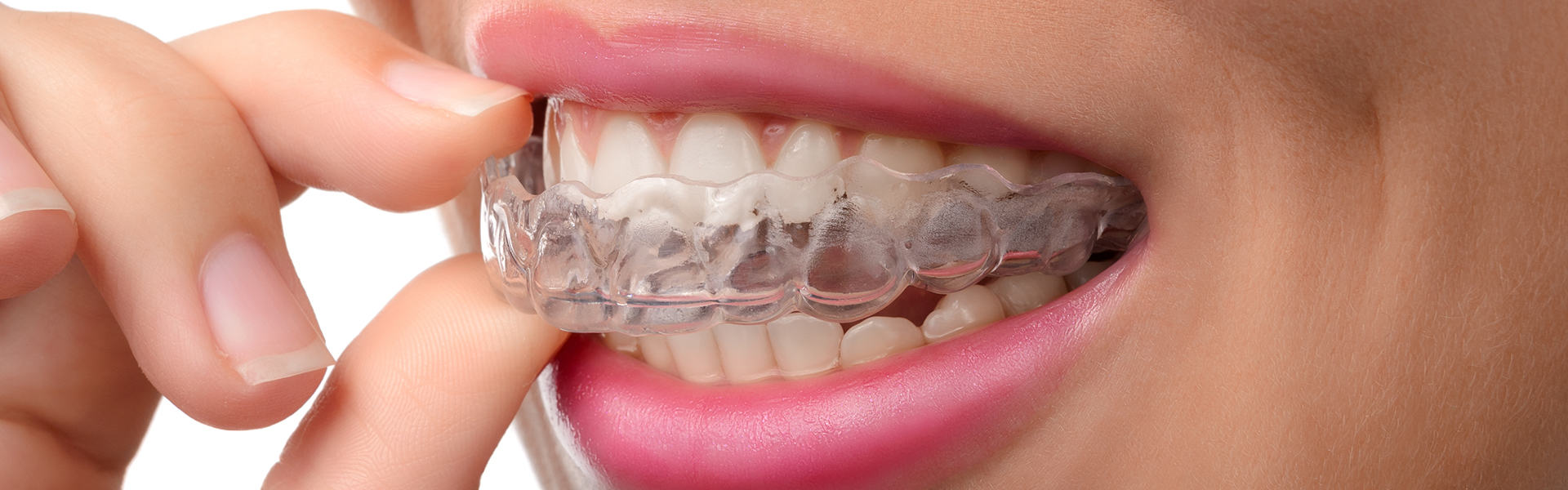
The primary difference between snore guards and oral appliances is in their use. It is an error to assume snore guards can treat sleep apnea because the assumption is false. Unlike oral appliances, snore guards are not medical devices and are available over-the-counter without a prescription. However, oral appliances created by dentists working with sleep medicine specialists are medical devices available under a prescription. In addition, oral appliances are authenticated to treat obstructive and will likely deliver effective results, unlike snore guards.

If you decide to self-treat sleep apnea without advice from the dentist near you instead of treating the condition, you may develop new side effects from ill-fitting and inappropriate devices. For example, you may develop oral blisters, irritation, TMJ disorders, neck pain, headaches, and loss of teeth. On the other hand, if you prefer oral appliances, you manage to control sleep apnea without the adverse side effects of snore guards. Therefore you help yourself by choosing a suitable device after advice from the dentist nearby.

Differences between Oral Appliances and Snore Guards

Snore guards available over-the-counter are created to protect the teeth soft tissues of the mouth from impacts or injuries and are commonly used by sports persons to safeguard their teeth. Unfortunately, snore guards don’t fit correctly because they are not customized for anyone’s mouths. The most commonly available stock snore guards or mouth guards are small, medium, or large sizes. While they offer protection to the teeth, they also make breathing difficult and are uncomfortable to wear in the mouth even when involved in sporting activities. In addition, they tend to slip and fall out and are not appropriate for treating health issues like obstructive sleep apnea.

Oral appliances explicitly created for dealing with sleep apnea are approved by the FDA as medical devices for safety and intended use. If you discuss using an oral appliance to treat sleep apnea with your sleep medicine specialist, you can rest assured you will receive a prescription for an FDA-approved device. They recommend that you avoid over-the-counter oral appliances that haven’t received FDA approval.

How Are Both Devices Fabricated?

Sturdy and hygienic materials safe for use in the oral cavity help fabricate oral appliances for sleep apnea. The devices can take plenty of wear and tear among snorers with or without obstructive sleep apnea. The apparatus advances the lower jaw in a forward position creating more space for the upper airway for airflow passage when sleeping.

Snore guards are easier to fabricate because they have fewer moving parts. You can also obtain prefabricated snore guards utterly non-customizable. It is why snore guards aren’t approved as a remedy for treating sleep apnea because they are challenging to adjust, which is an essential requirement for the treatment of sleep apnea. Snore guards have a lifespan of around six to 24 months and are relatively inexpensive than oral appliances.

On the other hand, the dentist in Sunset Hills, MO, fabricates an oral appliance to advance the jawbone with help from a fortified hinge mechanism for support. The hinge mechanism helps adjust the level of advancement, ensuring the best fit and efficient treatment for your specific situation.

The adjustability of an oral appliance allows you to test its effectiveness in a sleep center laboratory to ensure the therapy is indeed effective. Oral appliances, although expensive, are fabricated to last and will remain with you for five to ten years. Therefore when selecting a treatment for sleep apnea to help yourself by making an appropriate choice after receiving advice from a professional working with sleep medicine specialists.

If you are determined to use an oral device to treat sleep apnea, you must schedule an appointment with My STL Dentist to get evaluated and receive an oral appliance approved by the FDA to deal with your problem.

Why Consider the Five Health Benefits of Dental Bridges?

Do you have missing teeth and are displaying visible gaps in your smile? You may have information that replacing the missing teeth is essential to maintain your dental and overall health in excellent condition. If you want to achieve your goal and stop displaying gaps between your smile, you must consider the health benefits of dental bridges and contact the dentist near you requesting them for the replacements.

Would you like to know how the loss of teeth impacts your dental and overall health? If so, please realize the gaps in your smile encourage your remaining teeth to move towards the vacant space to create misalignments in your mouth, affecting your dental health. The teeth in the opposite jaw also move upwards or downwards, making it essential for you to replace the missing teeth as soon as possible. Simultaneously the missing teeth make it challenging for you to eat, speak, or feel confident. The lack of nutrition impacts your overall health causing various deficiencies you never experienced earlier. Instead of enduring the challenges posed by lost teeth, why not visit the dentist in sunset hills, MO, requesting a solution that restores all the abilities you lost with your teeth?

Dental bridges are a solution when the dentist places a fake tooth or Pontic in the vacant gap anchoring it to dental crowns bonded on the natural teeth beside the gap or dental implants on both sides. This article provides you with the health benefits of dental bridges to ensure you are confident about them and make an informed decision when seeking the treatment to have them.

What Are the Health Benefits of Dental Bridges?

1. Restore Your Smile

Can you put a price tag on a beautiful and healthy smile? You will feel self-confident after getting dental bridges to replace your missing teeth. You won’t ever again try to hide your smile before your friends because you are self-conscious. Dental bridges in sunset hills, MO, restore your smile and improve your quality of life.

2. Better Chewing

Your experience challenges or pain when eating your favorite foods after losing your teeth. The pain results from the adjacent teeth shifting towards the vacant gap. In such cases, food particles can accumulate in the socket where your tooth existed, damaging your gums. If you wish to alleviate the pain permanently when eating, the sunset Hills dentist recommends investing in dental bridges because the task of eating shouldn’t cause pain regularly.

3. Better Speech

Loss of multiple teeth can make it challenging for you to pronounce words or cause you to speak with a lisp. If you wish to fix speech issues, you must address the tooth loss, which is primarily responsible for impacting your speech. Your teeth have a crucial role to play in how you form words in your mouth. If you find it challenging to believe, try reading aloud to understand how often your lips or tongue contact your teeth while speaking. You can resolve these issues with dental bridges helping you get over the speech impediment.

4. Maintain The Natural Shape of Your Face

One of the consequences of tooth loss is jawbone resorption which begins soon after you lose a tooth. The resorption starts when your jawbone doesn’t receive the stimulation it needs from the regular biting forces of your mouth. As a result, your face begins sagging in appearance to make you look older than you are.

5. Preventing Misalignment

Your teeth remain in place held by strong tooth roots under the surface of your gums. The teeth also receive support from the adjacent teeth to stay in place. When you are affected by multiple tooth losses, your remaining teeth begin shifting towards the vacant gap and create misalignment. The movement makes you prone to dental infections like gum disease and tooth decay. Unless you close the gap in your mouth, you soon become a candidate to receive expensive and uncomfortable orthodontic treatments to correct the misalignments. Instead, you can prevent your teeth from shifting by filling the vacant gap with an artificial tooth seeking treatment from the dentist providing dental bridges.

If you are dealing with the problem of tooth loss, whether single or multiple, please do not hesitate to call My STL Dentist to have dental bridges and replace your missing teeth.

What is a Dental Bridge?

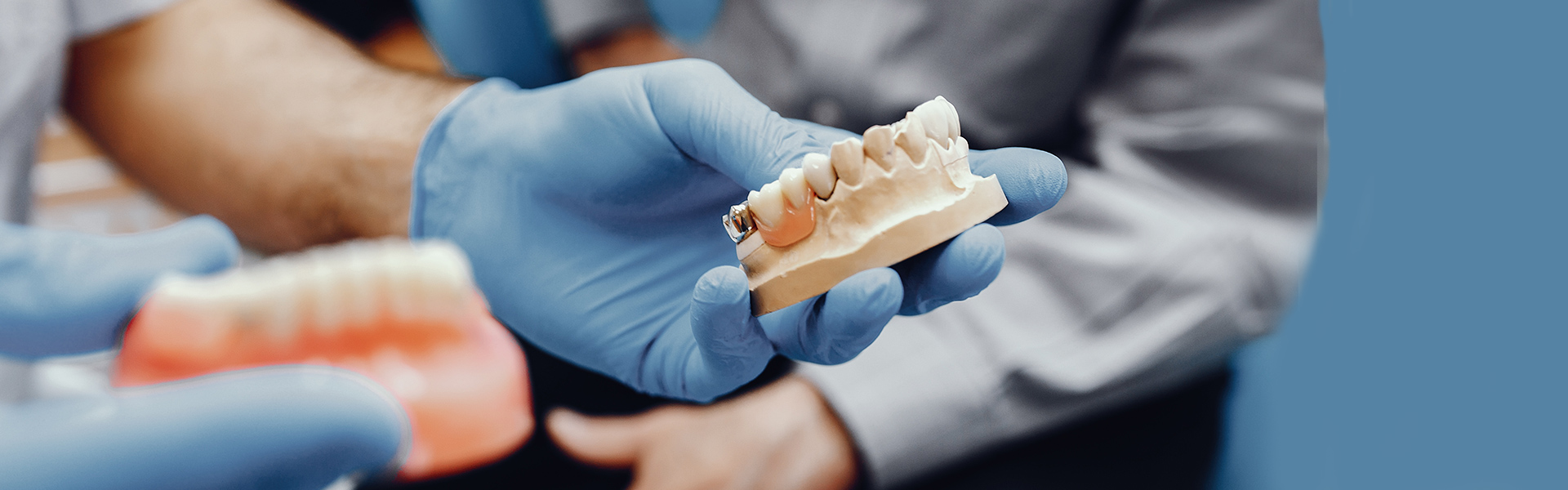
Dental bridges are needed to replace missing teeth. They are made of two or more crowns attached to the teeth on either side of the missing tooth.

A dental bridge is a dental prosthetic device that replaces one or more missing teeth. Unlike removable dentures, dental bridges are fixed in place by crowns and anchored on both sides of the jaw.

Dentists can recommend dental bridges near you if you have one or two teeth missing. Dentures are used to replace more than just one or two teeth.

What Are the Different Types of Dental Bridges?

There are many different types to choose from, depending on what your dental bridges dentist or doctor recommends.

  1. Traditional bridges

Traditional dental bridges are used to replace missing teeth by attaching dental crowns to two teeth adjacent to the gap.

Traditional dental bridges are popular, but they can’t be used in all circumstances.

For instance, if the adjacent teeth are too far apart for a bridge to be placed correctly, or if you are missing natural teeth, then the bridge would not help.

  1. Cantilever bridges

A cantilever dental bridge consists of one crown instead of two. It is generally used to replace missing front teeth because it is not strong or durable.

  1. Maryland bridges

Maryland dental bridges are also similar to traditional bridges in that they employ two natural teeth to act as an abutment. However, unlike the traditional, a Maryland bridge uses either a metal or porcelain framework to bond onto the teeth.

  1. Implant-supported bridges

Implant-supported dental bridges are a relatively new way to replace missing teeth. An implant is surgically placed in the jaw bone, and a bridge is placed on top of it.

An implant-supported bridge can be more durable than a dental crown, which is good news for people with sensitive gums because the implants do not have metal that can irritate them.

Dental Bridges Vs. Implants; How Do They Compare?

Dental implants are an alternative to dental bridges in Sunset Hills, MO. They are inserted into the jawbone and replace the roots of the tooth.

While they may not be as durable, dental bridges provide a similar natural-looking appearance. They do not require any screws or fixings because they use a crown that is fixed into place.

They also seem less invasive than implants as they do not need a surgical procedure to be fixed.

Dental Bridges Vs. Dentures: How Do They Compare?

Dental bridges and dentures are two different types of dental prosthetic devices for replacing missing teeth. While a bridge replaces one or more missing teeth in a row, a denture replaces multiple or all teeth.

Dental bridges are made from porcelain-type ceramic materials, while dentures tend to be made from plastic. Dental bridges can last about ten years, while dentures have been known to last only about two years before they need to be replaced or realigned.

How Are the Dental Bridges Fixed?

If your teeth are uneven, you may need a dental bridge to make them even. The process is quite simple. The dentist will make an impression of your teeth, and they will create a temporary bridge in the shape of the tooth next to it.

The dentist will then use the impression to prepare the permanent one in a replica of your original teeth. Finally, the dentist will put the permanent plastic on top of this temporary one and paint it with porcelain veneers to give it a natural appearance.

Dental bridges are fixed with either metal wires or dental cement, which bond the dental bridges and surrounding tooth structures.

How Much Do Dental Bridges Cost?

Dental bridges’ cost depends on their material and design, with ceramic being the most expensive option.

The cost of a dental bridge is typically based on the materials used to make it, with metal bridges being the most expensive option.

These bridges are long-lasting and can last between 10 and 15 years. However, the dentist will have to remove the pontics at some point because of wear and tear.

Schedule an Appointment

Visit My STL Dentist for more information about dental bridges, the procedure, and cost.

Professional Teeth Whitening Vs. At-Home Whitening; Which One is Better?

Many people have tried both options and found that they each have their unique benefits–it comes down to personal preference.

Professional teeth whitening is a safer option than at-home teeth whitening, but it can cost more per session. On the other hand, at-home teeth whitening is less expensive but result in lower success rates than professional teeth whitening.

Professional teeth whitening is best for people who are looking for a long-term solution. It can be difficult to maintain the desired level of whiteness over a long time with at-home whitening products.

In addition, professional teeth whitening can offer more benefits than at-home teeth whitening. For instance, it can improve your oral health by strengthening the gums and reducing tooth decay in the enamel.

How Does Professional Teeth Whitening Work?

The whitening tooth is a process that uses hydrogen peroxide to remove stains from the teeth. Some whitening toothpaste also contains a combination of ingredients.

Professional tooth whitening typically involves three or four 15-minute sessions where a dentist near you applies a bleaching agent on the teeth. The teeth are rinsed, and the process is repeated depending on the severity of the stains on the teeth.

Whatis s the Difference Between At-Home & Professional Teeth Whitening?

Professional teeth whitening is a beauty treatment done at the dental office. The dentist uses whitening products with high levels of bleaching agents to remove the stains. If you have severe discoloration, then the in-office whitening procedure is for you.

At-home teeth whitening kits also contain hydrogen peroxide but at different levels. Some have lower amount, which can be ineffective, and other have higher levels, which can be harmful to the oral health if not done correctly.

Who Should Consider Professional Teeth Whitening?

Professional teeth whitening trays and process is recommended for people who have healthy, but discolored teeth. If you have active gum disease or suffer from tooth sensitivity, teeth whitening is not for you. A dentist in 63127 can recommend other whitening treatments instead.

What are the Benefits of Professional Teeth Whitening Vs. At-Home Whitening?

Professional teeth whitening in Sunset Hills, MO, gives the best result. It is more cost-effective and can be done at a more convenient time.

Many people have been turning to at-home whitening over in-office whitening. However, there are many benefits to professional teeth whitening that make it worth the investment.

  1. Professional whitening treatments are more effective & safe

The dentist can take the necessary steps to ensure your teeth and gums are protected from bruising and damage. The hydrogen peroxide can damage the gum tissues if they come in contact, so the dentist will apply a protective layer on the gums. Also, he will give you tooth-sensitive toothpaste to help ease the sensitivity that occurs after the whitening process.

  1. Fully customizable

You can work with a dentist to create your perfect teeth whitening regimen that will give you the results you want while keeping your gums in good health and teeth from decaying.

The dentist’s job is to make sure you get the best results possible in a professional way.

At-home whitening kits do not give you an option on how much peroxide to apply, as the percentage is already pre-determined.

  1. It offers better results

You might not get the best results with at-home kits, so it is better to go for professional treatment and enjoy better health and beautiful teeth!

A lot of people are opting for at-home treatment because it is cheaper and more convenient. However, it is important to remember that not all treatments are good for everyone. It’s better to work with a dentist if you have a health condition that requires professional care.

What Are the Side Effects of Teeth Whitening?

There are a few sides effects you may develop regardless of the teeth whitening option you choose. They include redness of the gums, sensitivity to cold beverages, and temporarily losing your sense of taste.

Schedule an Appointment

Visit My STL Dentist for more information on how professional teeth whitening differs from at-home whitening products.

What Causes Teeth Discoloration and How Can I Whiten My Teeth?

Introduction

Teeth color can improve your appearance and boost your self-confidence Teeth whitening is a cosmetic dental procedure. Whitening your teeth may not make it pearly white, but it will make it some shades whiter, thus improving your look.

What is Teeth Whitening?

Teeth whitening is essentially bleaching your teeth to lighten their color. The procedure is not supposed to remove the material from your tooth surface. Teeth whitening in sunset hills, MO, is effective. There are trained professionals available to ensure that you get the best services without putting your oral health at risk.

What Causes Tooth Discoloration?

Some foods and drinks are teeth staining. These include teas, coffee, and red wine. Starchy foods like potatoes can also discolor the teeth. Other lifestyle habits that can cause tooth discoloration include smoking and improper oral hygiene.

Trauma to the teeth, especially for children under eight years, can affect enamel formation and decrease the level of blood flow to the tooth. Sometimes, the nerve in the affected tooth dies. Furthermore, excessive fluoride treatments during tooth formation can form white spots and discolor the teeth. High fluoride levels in water or fluoride rinses and toothpaste are sources of fluoride.

Other tooth discoloration sources include genetics and aging. With age, the teeth’ outer layer wears out and reduces tooth translucency. Also, medications such as tetracycline can affect children’s enamel formation, thus discoloring their teeth. Antihistamines, antipsychotics, and antihypertensive drugs can also cause tooth discoloration.

Teeth Whitening Methods

There are two major teeth whitening methods. Dentists in sunset hills, MO, will discuss with you and examine your teeth to determine the best teeth whitening method for you. You can whiten your teeth in two ways including;

  • Home Whitening: in this case, a dentist will take an impression of your teeth and give you a custom-made tray. Usually, the teeth bleaching agent in this method is carbamide or hydrogen peroxide. These bleaching agents are applied through the trays. If you wear the trays for about 2 to 5 hours every day, you should. See a significant difference in your teeth color within 2 to 3 weeks. If you want faster results in about a week, you should use your trays for about 8 hours every day.
  • Laser whitening: this method is a one-hour session. You’ll require three visits to the dentist to get the best results. In this method, the dentist coats your teeth’ surface with a bleaching gel. Afterward, a dentist uses a laser to activate the bleaching gel.

Can You Use Home Whitening Kits?

Using home whitening kits is not as effective as getting teeth whitening at a dental clinic. Most store-bought kits do not contain enough peroxide to bleach the teeth. Furthermore, home whitening kits increase the risk of teeth sensitivities. Also, the trays that come with these kits are not custom-made. Therefore, the bleaching gel may leak into the gums.

Where Can You Whiten Your Teeth?

You can get teeth whitening near you when you visit a dentist in sunset hills, mo. You can search for a list of dental clinics in the area to get professional teeth whitening.

It is important to note that whitening your teeth in a beauty salon is risky because beauty salons do not have dentists or registered dental professionals. Apart from being risky, it is illegal.

How Long Does Teeth Whitening Effect Last?

The effects of professional teeth whitening should last between a few months to 3 years, depending on maintenance. You can maintain your white teeth by avoiding teeth-staining food and drinks, maintaining proper hygiene, and avoiding the use of tobacco products.

Conclusion

Whitening your teeth can improve your smile and appearance. However, it is best to whiten your teeth the right way. You should visit a dentist if you have tooth discoloration and discuss the best whitening method for your teeth.

Everything You Should Know About ClearCorrect

Did your dentist in Sunset Hills, MO, recommend that you get orthodontic treatment the last time you visited him? Dental malocclusion is one of the most common dental issues among teenagers and children. However, adults too suffer from these dental issues, which come about as they grow up and have changes in the mouth. Although malocclusions are common there is still a silent stigma attached to not having perfectly aligned teeth. It becomes the one thing people stare at every time you talk or smile. Such can reinforce low self-esteem and confidence, hence reducing the quality of your life. Thankfully, there are many dental solutions in orthodontics today that provide a remedy for your dental misalignment. Besides, if you can correct the appearance of your smile without needing metal brackets or wires, wouldn’t you rather do it?

What is ClearCorrect?

It is an alternative to traditional metal braces in orthodontics, used to straighten and realign teeth. ​ClearCorrect Sunset Hills can be defined as a clear aligner system characterized by transparent, plastic, custom-made, removable teeth aligners with the ability to move and re-position teeth in the mouth. Technically, ​ClearCorrect in Sunset Hills, Mo, uses the same concept as Invisalign® braces.

The ClearCorrect teeth aligners are designed in such a way to snug perfectly on your teeth. This perfect fit is possible because the ​ClearCorrect in Mo is created following impressions, photographs, and radiographs taken by your dentist to create your teeth aligners. The images are then translated into an exact 3-D model of your teeth in a dental laboratory.

How Does It Work?

​ClearCorrect in 63127 works similarly to other types of clear aligners. The goal is to exert controlled pressure on teeth, causing them to shift and rotate gradually. However, you need a concise treatment plan generated by your orthodontist. This treatment plan will help establish different phases of your treatment, usually three or eight phases. The phases will help make projections of what should be happening with your teeth as you continue with your treatment. The best part about ​ClearCorrect near you is that it employs computer precision so that, with up-to-date digital mapping, you can visualize the outcome of your treatment based on your dental goals and desires.

What Should You Expect from Your Treatment?

The best way to amply prepare for treatment with ClearCorrect is to liaise with your orthodontist about it. There are several things that you cannot fully anticipate until you begin your treatment. However, some things you should already know include the following:

  • Treatment takes time – you will not realize perfectly straight teeth for a while. Many treatments last anywhere between six months and two years.
  • Soreness is expected – it is not necessarily painful to undergo treatment with ClearCorrect. However, when you get your teeth aligners, your mouth will feel sore for the first few days.
  • You need different sets of aligners – the first aligners you get will not be the same ones you have as you complete your treatment. As you go, you will have different aligners, usually up to 32 sets.

What Are the Advantages of ClearCorrect Aligners?

For you to choose these clear aligners over its counterparts, it helps to understand the kind of benefits it presents, including the following:

  • Aesthetically appealing – the transparency of the plastic material used to make these aligners allows for cosmetic appeal. Many people that have used ClearCorrect say that they are virtually invisible. It makes them perfect for patients particularly keen on keeping up with their aesthetic appearances.
  • No dietary restrictions – you do not have to hold back from eating your favorite foods just because you are undergoing treatment. With these aligners, you can conveniently remove them to eat whatever you want without the risk of damaging them or sabotaging the progression of your treatment.
  • Ease of oral hygiene – since they are removable, these clear aligners allow you to keep up with proper hygiene even as you undergo treatment.
  • They are comfortable – the plastic material that designs ClearCorrect aligners is comfortable for your gums and lips. More to it, these aligners are customized to fit perfectly on your teeth. This perfect fit ensures that the aligners do not unnecessarily make your gums sore while you undergo treatment.

ClearCorrect 101: Purpose, Procedure, and Length of Treatment 

When you have bite problems, it affects not only your appearance but also your dental health. Correcting these problems is vital, and fortunately, we have several orthodontic treatments that you can use to realign the teeth. One of the treatments you can choose includes the ClearCorrect® braces.

These are clear aligners that can help realign the teeth without changing your lifestyle. But before you visit a ClearCorrect dentist near you, it is important to know what the braces are and how they work.

What are ClearCorrect Braces?

ClearCorrect aligners are made of plastic containing resin which makes them invisible, thin, and comfort able onyour gums. Although they are made of plastic, these braces do not contain BPA, meaning they are safe to wear.

The aligners come in different versions; you can choose from limited 6 to unlimited. Limited 6 and 12 are designed for minor to moderate dental malocclusion while the unlimited version is ideal if you have severe bite problems.

How Do They Compare with Invisalign?

ClearCorrect and Invisalign® braces are both clear aligners and they work similarly. However, the two differ when it comes to thickness. The ClearCorrect aligners are thinner than the Invisalign.

When Are They Recommended?

ClearCorrect aligners are recommended for adults and teenagers because they require high standards of hygiene. Furthermore, the dentist can recommend invisible aligners if you have moderate bite problems. Severe malocclusion will require other forms of treatment like the traditional braces.

How is the Procedure Done?

ClearCorrect treatment is done in phases and it can last for a couple of months.

  • Examination and planning

Dr. William Uthoff will begin the process by doing a comprehensive dental assessment. He will use a 3D scan that takes precise images of your jaw to create the aligners. The scan is also used to determine the pressure and time needed to correct the bite problems. You will also get a preview of what to expect after the treatment is done.

  • Treatment process

The dentist will give you a series of aligners (depending on the choice) that you are supposed to wear for two weeks before changing. You also need to wear the braces for 22 hours daily and remove them when you are eating or drinking.

While the treatment is done at home, you will be required to visit your dentist every six to eight weeks to have the gums and the treatment assessed.

  • Retention phase

Retainers help to preserve the results of the orthodontic treatment by holding the teeth in position. Failing to use the retainers according to the given instructions will cause the teeth to revert to their old position. Remember, the orthodontic treatment breaks the ligaments which can affect the stability of the teeth, hence the need for retainers.

What Can You Expect When You Wear the Aligners?

Braces are not painful, but when you wear them for the first time, you will experience some discomfort. You will also have pressure on the teeth every time you wear the aligners as the teeth move into position. The discomfort does not last for long, and you will not need any pain relievers.

Are There Any Dental Instructions?

Yes. Although ClearCorrect braces are removable and do not restrict your lifestyle, you will need proper habits and hygiene practices.

  • Wear the aligners for the stipulated time (22 hours every day). This is because stopping the treatment will disrupt the alignment process, and it will take longer to restart the treatment.
  • Clean the aligners every day when brushing and before wearing them. Avoid using toothpaste when brushing the braces. Also, do not use hot water on the aligners because it may change the shape.
  • Make sure you brush your teeth and gums and rinse the mouth when putting on the aligners.
  • Keep the aligners moist when you are not wearing them to prevent them from drying. Dry aligners can lead to the build-up of food particles and bacteria growth.
  • Visit the dentist regularly (every eight weeks) to have the process assessed.

Schedule an Appointment

Visit My STL Dentist for more information about ClearCorrect braces and how they work.

Oral Cancer Screenings for Healthy People: Are They Necessary?

Whether you are in optimal physical health or not, regular dental exams are essential because they help more than just your smile. In addition, they are an excellent opportunity for the dentist to check for signs of oral cancer.

The ADA recommends everyone schedule an appointment with their dentist at least once in 12 months to ensure their mouths are healthy. However, many medical professionals disagree on how often people should get oral cancer screenings. Some believe that if you are at a higher risk of getting oral cancer, it is an excellent idea to get examined for the condition.

Some factors making you vulnerable to getting oral cancer include:

  • Tobacco use, including smoking, chewing tobacco, or using snuff.
  • Excessive consumption of alcohol regularly.
  • An earlier diagnosis of oral cancer.
  • Excessive exposure to sunlight making you vulnerable to getting lip cancer.
  • Some types of HPV which you can develop during oral intercourse.
  • Chewing a smokeless tobacco mixture called betel quid.

If you are frequently indulging in any of the above, you can inquire with the dentist in sunset hills mo, whether you need a screening test.

Why Fear Oral Cancer Screenings?

If you are frequently visiting the general dentist in Sunset Hills, MO, you will likely receive an oral cancer screening during the exam for dental examinations and cleanings. You probably don’t even realize your dentist is looking for signs of oral cancer unless they provide specific information about the test.

Oral cancer screenings in Sunset Hill, MO, do not impose upon you any additional charges and perform the test as a preventive measure to ensure you are not affected by any concerning conditions. Therefore you must view oral cancer screenings as a beneficial measure confirming your mouth is entirely healthy. In reality, you must thank the dentist for performing the exam as it leaves you with peace of mind knowing you are free from oral cancer.

What Kind of Exams Are Performed by Dentists?

Oral cancer screenings near you perform a basic exam by taking a comprehensive view at all parts of your mouth. During the examination, the dentist will:

  • First, look at your lips from outside and inside.
  • Examine the insides of your cheeks, the roof of your mouth, and the back of your throat.
  • Your gums are also examined besides your tongue from all sides and beneath.

If you are a denture wearer, you must take them out to allow the dentist to check the tissue beneath. For example, dentists may insert a finger in your mouth and under your tongue besides a couple of fingers on the skin under your chin, moving them around to feel the tissue between them. Your dentist might also examine underneath your jaw.

The entire exam requires merely five minutes, confirming it is just a preventive measure.

Dentists aim to look for spots or lumps and try to verify whether anything is unusual about the saliva covering the pink parts of your mouth. If you observe any unusual bumps or sites, it helps if you call your dentist for an examination.

An in-depth examination for your oral cancer screening will have the dentist rinse your mouth with a blue dye before the exam. Any abnormal cells in your mouth absorb the pigment making it easier for the dentist to identify them.

What If the Dentist Detects Signs of Cancer?

If the dentist detects any unusual signs, they advise you to schedule an appointment in a few weeks to verify whether anything has changed. Dentists may also suggest a biopsy when a small piece of tissue is taken from the area that looks suspicious and have it examined in a lab to check for cancer. The dentist performs the biopsy, or you receive a referral to a surgeon who performs these procedures.

Bear in mind that not all lumps or spots your dentist detects are cancer. However, if oral cancer is present in your mouth, catching the condition early ensures you have many treatment options. Therefore it makes sense to maintain your regular appointments with the dentist to enable them to look for signs of problems in your mouth.

Even if you are in the pink of health, you visit dentists for exams and cleanings. At the same time, the dentist performs oral cancer screening in merely five minutes without you even realizing what is happening. If you don’t consider oral cancer screenings necessary, it is time you changed your thinking to go through the procedure without concerns happily.

Why You Should Get A Dental Bridge

Dental bridges are a suitable cosmetic or restorative dentistry procedure for many patients with missing teeth.

A dental bridge is a permanent appliance used to replace either a missing tooth or a set of missing teeth. They are an alternative to partial dentures serving both practical and aesthetic purposes, enabling better eating and speaking experiences.

What Do I Need A Dental Bridge?

Your teeth work together. If a tooth is missing, nearby teeth can move into space. The teeth in your opposite jaw can also move up or down toward space. This can cause:

  • Bite problems.
  • Chewing difficulties.
  • Pain from the extra stress on your teeth and jaw.
  • Self-consciousness about the way you look or your smile.

What Options Of Dental Bridges Do I Have?

There are four main types of bridges and they are:

Traditional fixed bridge: This is the most common dental bridge used. It is composed of two or more crowns and a filler tooth or teeth that are all connected. The crowns keep the bridge in place. Traditional bridges are made of metal, porcelain fused to metal or ceramics.

Cantilever bridge: In this type, the pontic connects to only one abutment tooth. This can sometimes be an option for people who have teeth on only one side of the gap.

Maryland dental bridge (resin-bonded bridge): This type of bridge is used for those who have missing front teeth. It’s composed of porcelain fused to metal or ceramic teeth, supported by a framework. Wings on each side of the bridge bond to your existing teeth.

Implant-supported bridge: This is similar to the traditional fixed bridge but instead of being cemented in place to teeth, it is held in place by implants.

Advantages Of Dental Bridges.

A dental bridge can:

  • Help your bite.
  • Prevent remaining teeth from moving out of place.
  • Restore your ability to chew and speak.
  • Restore your smile.

Disadvantages Of Dental Bridges

There are also several drawbacks linked to the use of dental bridges in restorative dentistry.

Firstly, the healthy abutment teeth on either side of the gap that hold the pontic in place may become damaged in some cases, after the bridge is fitted. Additionally, the structure of the teeth may change following the placement of the crowns and bridge. For some patients, the supporting abutment teeth have insufficient strength to hold the bridge and consequently collapse.

How Is The Process Of Getting A Dental Bridge Like?

For seasoned Dentists in Sunset Hills Mo, the procedure is in two phases or visits.

During the first visit for getting a dental bridge, the abutment teeth are prepared and this involves the recontouring of these teeth by the removal of a portion of enamel to allow room for a crown to be placed over them. Next, impressions of the teeth are made, which serve as a model from which the bridge, pontic, and crowns will be made by a dental lab. The dentist will then make a temporary bridge to wear to protect the exposed teeth and gums while the bridge is being made.

During the second visit, the temporary bridge will be removed and the new porcelain or metal bridge will be checked and adjusted, as necessary, to achieve a proper fit. However, multiple visits may be required to check the fit of the metal framework and bite and are dependent on each individual’s case. After a couple of weeks, the bridge is cemented into place.

Contact us at Sunset Hills Mo to schedule an appointment to get dental bridges in Sunset Hills Mo which would benefit your oral health greatly.

Do Dental Bridges Have Any Risks Or Complications?

If you care for your bridge properly, it can last many years without complications. The bridge may fail if the surrounding teeth decay or if the cement deteriorates. If the bridge comes loose and the supporting teeth are still healthy and intact, your provider may be able to re-attach it with new cement.

If you need to get a safe and reliable Dental bridge in Sunset Hills Mo, you can book a session with a Cosmetic Dentist in Sunset Hills Mo, for both professional and risk-free dental bridge near you.

DENTAL IMPLANT FOR PERMANENT TEETH RESTORATION

Dental implants are pretty much the best way to restore missing teeth without having to ever worry about them again. In this article, we will discuss the benefits and procedures for dental implants.

Dental implants near you are substitute teeth roots in the form of metal screws that help provide foundational support for removable artificial teeth.

Dental implants are very durable and, in most cases, are a once-in-a-lifetime solution. They are made from titanium metals and, when fixed, blend with the jaw bone.

Dental implants are a reliable alternative that can be used in dentures or bridgework and can be a much better perfect fit. They are recommended for patients who have one or more missing teeth and still have healthy tissue. The implants are done surgically by cutting out the damaged tooth, cutting into the gums, and drilling into the jawbone before placing the titanium metal-like screw.

BENEFITS OF DENTAL IMPLANTS.

Dental implants allow improved speech without teeth slipping out of position.

Dental implants blend with bone which makes them permanent and gives patients a feeling of their teeth. They are very comfortable as they are part of the patient’s mouth.

A dental implant allows patients to eat their favorite food without fear of negative effects or pain. It also boosts self-esteem and enhances the patient’s smile.

Implants do not change or modify teeth close to them. The nearby teeth are not affected by the screws and remain unaltered, allowing easy access and improving oral health.

Dental implants save patients the embarrassment of removing and placing back dentures into the mouth for convenience.

WHO NEED A DENTAL IMPLANT?

Most patients who may have one, several, or all missing teeth can have dental implants when seeking a more durable option than dentures. Also, Patients who do not engage in addictive habits like tobacco and smoking and have healthy oral tissues can have dental implants.

Dental implants take time, lasting into months, so patients who are willing to wait for the entire process can have dental implants.

Dental implants are recommended for patients that suffer from low confidence as the procedure can help improve their smile. Patients who are willing to have a bone graft can also have dental implants.

PREPARATION FOR DENTAL PROCEDURE.

DENTAL EXAMINATION.

There are some factors to be considered before going ahead with a dental implant. The first condition for dental implants is the eligibility of patients. Dental implants are typically recommended for patients who have lost a considerable number of teeth. Only patients who have healthy gum tissues and a mature, strong Jawbone can get implants.

Before starting the procedure, patients will have to tell the dentist if they are currently under any medication or supplements. If patients have any heart problems or related complications, they should also make it known to the surgeon.

Patients should also note that much time is required for a complete implant, and the process could take several months from beginning to completion. Time is also required for healing to take place and for the bone to blend with the implant.

When all of this is done, 3D images and x-rays would be required to evaluate the mouth properly. A couple of models would also be made from the jaw and teeth.

PROCEDURE

This surgery is performed in multiple stages with a required healing time after each stage. General anaesthesia will have to be administered before the surgery to numb the area and make it easier for the surgeon to remove the damaged tooth. Grafting might also be needed to prepare the jawbone.

After removing the damaged tooth, the surgeon will drill into the jawbone to place it in the implant. Some time is required for the healing and growth of the bone, and a couple of visits is required. After healing, an abutment will be fixed before permanently placing the new teeth.

Before going for a Dental implant, you should first visit your dentist for advice and recommendations. If you do not have a personal dentist, you can search for a Dental implant near me to get a local listing of dental clinics near you and book an appointment with a dentist.

However, suppose you want a reputable dentist with experience in fluoride treatment. In that case, you can book an appointment with a dentist in Sunset Hills MO, by searching dentist implant in Sunset Hills, MO, or a cosmetic dentist in Sunset Hills, MO.

COVID-19 Update

©2026 My STL Dentist | Privacy Policy | Web Design, Digital Marketing & SEO By Adit
Click to listen highlighted text!